


8.8 vs 12.9 Grade Screws Strength
When it comes to fasteners, the choice between 8.8 and 12.9-grade screws hinges on crucial factors like strength, durability,
and application requirements. Let's delve into the distinctions that set these two grades apart.
Understanding Screw Grades:
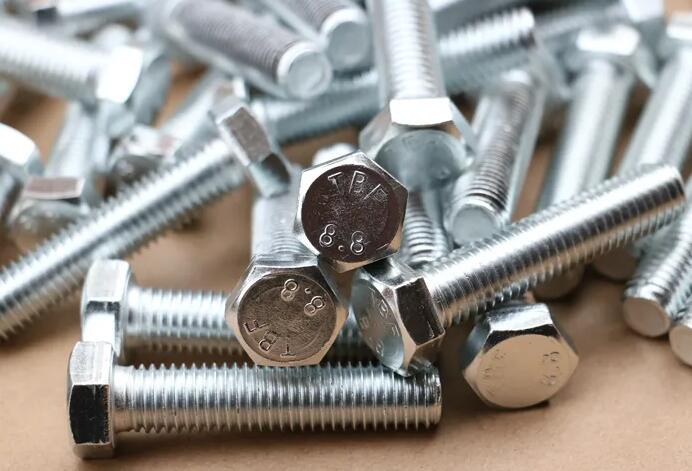
8.8 Grade Screws:
Material Composition: Typically made from medium carbon steel, 8.8-grade screws boast a minimum tensile strength of 800 MPa and a minimum yield strength of 640 MPa.
Applications: Widely used in structural and machinery applications, these screws offer a balanced combination of strength and affordability.
Usage Considerations: Suited for scenarios where high strength is essential but not critical, providing a cost-effective solution.
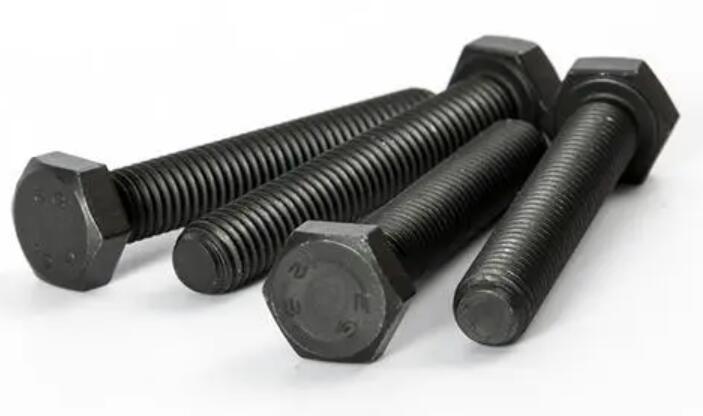
12.9 Grade Screws:
Material Composition: Crafted from alloy steel, 12.9-grade screws exhibit a minimum tensile strength of 1,220 MPa and a minimum yield strength of 1,100 MPa.
Applications: Primarily employed in high-stress environments and critical applications where superior strength and performance are paramount.
Usage Considerations: Ideal for situations demanding exceptional load-bearing capabilities and resistance to wear and tear.
Key Differences:
Strength Levels:
The primary discrepancy lies in the tensile and yield strengths. 12.9-grade screws significantly surpass 8.8-grade screws in both aspects,
making them superior in applications requiring utmost strength.
Material Composition:
8.8-grade screws utilize medium carbon steel, while 12.9-grade screws employ alloy steel. The alloy composition contributes to the higher strength of 12.9-grade screws.
Applications:
8.8-grade screws are suitable for general-purpose applications where high strength is necessary but not critical.
12.9-grade screws find their niche in critical and high-stress environments, such as automotive and aerospace industries.
Cost Considerations:
Due to the differences in material and manufacturing processes, 12.9-grade screws are generally more expensive than their 8.8-grade counterparts.
Conclusion:
In the realm of fasteners, the choice between 8.8 and 12.9-grade screws hinges on the specific demands of the application.
Balancing strength requirements with cost considerations ensures the optimal selection for a wide array of engineering and construction projects.

Contact Us
 WhatsApp: +86 13924354629
 Email: info3@dgchuanghe.com
 Tel: 0086-13924354629
 Address: RM302,No.4 building Lizhou industrial Park, Shangshanqi, Zhushan District, Dongcheng Town, Dongguan City, China